


In This Post
When we think of a pantry, we naturally think of food. However, a truly resilient household requires a well-stocked supply of non-food essentials as well.
Today, we are going to dig into the non-food items I consider essential for any working pantry. I will also share the common grocery store prices compared to buying these items in bulk. You will quickly see that purchasing these staples in larger quantities is significantly more economical.
Not only does bulk buying save money, but it also offers a deep sense of security. Furthermore, with prices consistently rising year over year, buying a 12-month supply now locks in today’s price, effectively beating inflation on those items.
You can follow along as I walk through my non-food storage and break down the costs in the video below.
Household Basics
These are the items you absolutely do not want to run out of unexpectedly.
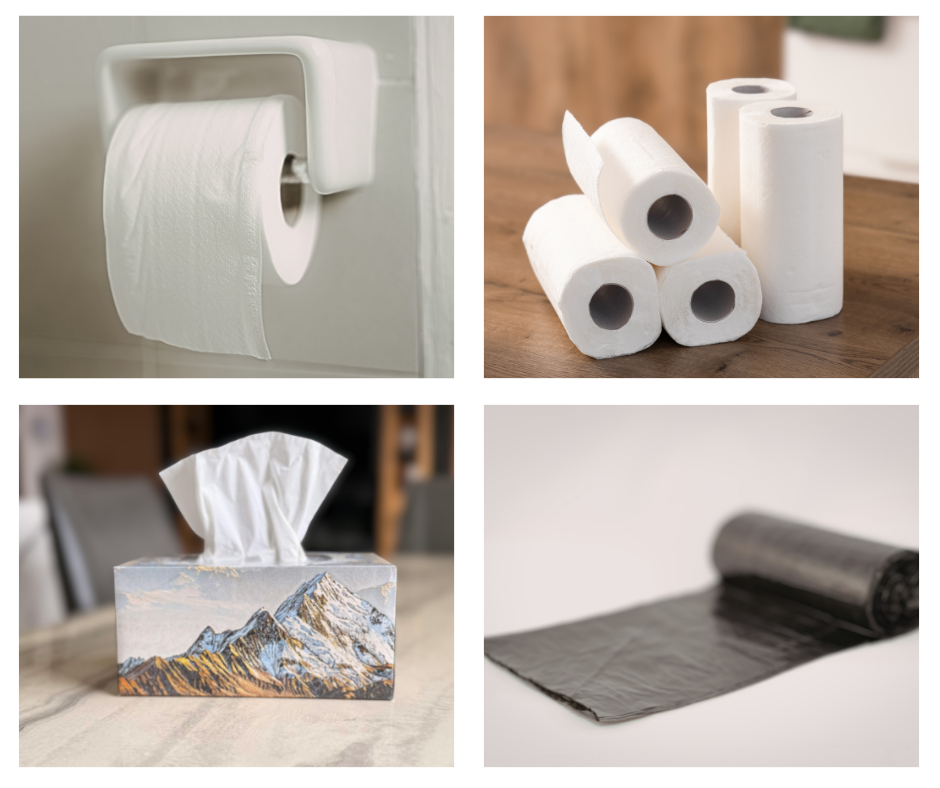
- Toilet Paper: We aim to keep a 12-month supply on hand. We purchase ours from a hotel/restaurant distributor. We buy the “Premium” 2-ply option (Leaf brand), which comes in large boxes of 48 rolls. A major benefit is that each roll is wrapped in thin paper, not plastic, which we then use as fire starter for our woodstove.
- The Savings: Regular grocery store rolls cost about $1.00 each (often for ~200 sheets). Our bulk premium rolls cost roughly $0.77 each and contain 500 sheets. The savings over a year are substantial.
- Paper Towels (Or Lack Thereof): I actually do not buy paper towels for daily use. Instead, I keep a dedicated bin of rags made from old towels and cotton t-shirts. They go into a specific laundry basket and are washed together. I only occasionally buy a single pack of paper towels specifically for cleaning windows during my deep spring clean.
- Facial Tissue: During the winter season, we go through a lot of tissues. I buy the Kirkland brand in bulk cases to ensure we never run out during cold season.
- Garbage Bags: We purchase both wastebasket-size and regular-size garbage bags in bulk from Costco.
- The Savings: Bulk wastebasket bags cost about $0.06/bag (compared to $0.15-$0.20 at the grocery store). Regular garbage bags cost about $0.26/bag in bulk (compared to $0.45-$0.60 at the grocery store).
Cleaning & Hygiene
Personal care and cleaning supplies are prime candidates for bulk buying, as they have incredibly long shelf lives.
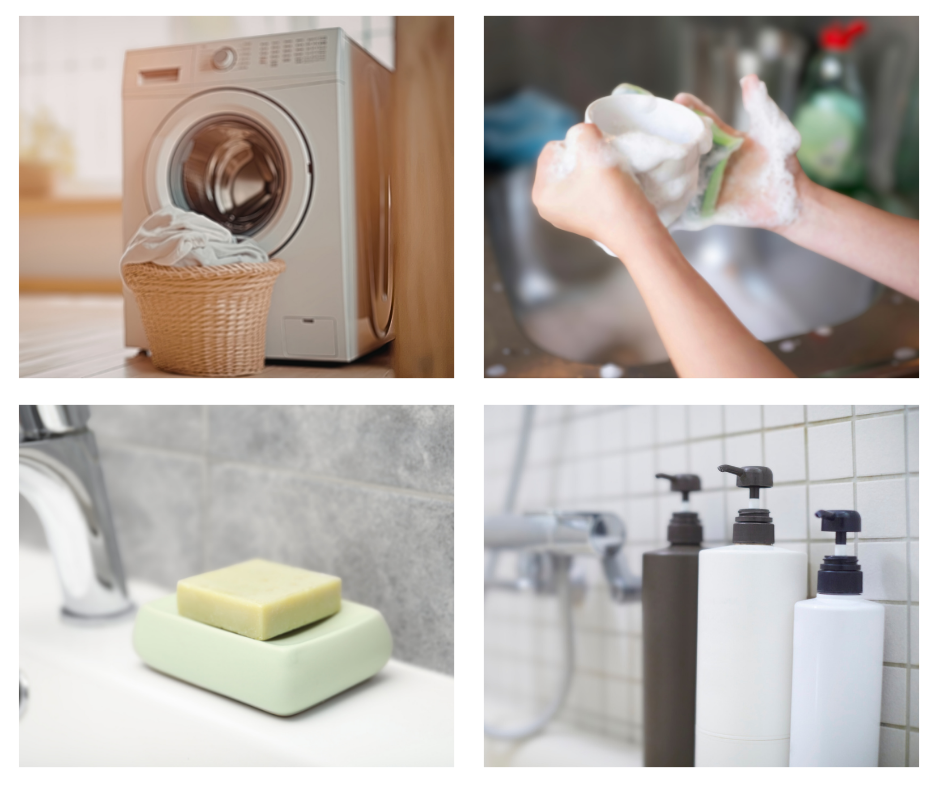
- Laundry Detergent: We use the Ecos brand (unscented) from Costco.
- The Savings: A small grocery store bottle (1.47 L) costs around $7.99 ($0.54 per 100ml). The large bulk jug costs around $16.99 ($0.38 per 100ml). With the amount of laundry a large family does, this adds up quickly.
- Dish Soap: We buy bulk refill jugs (like EcoMax) that can refill a standard sink-side dispenser about five times.
- The Savings: Standard bottles cost roughly $0.47 per 100ml. The bulk refill is about $0.38 per 100ml.
- Bar Soap: I actually make my own bar soap. One batch lasts us up to a year, I control the ingredients, and it saves a significant amount of money.
- Shampoo & Conditioner: We buy the Onika brand from Horizon Distributors. It comes in a large bag with a nozzle for refilling smaller bottles. One box lasts our family up to 12 months.
- The Savings: A standard bottle of decent quality shampoo is around $7.00 ($1.75 per 100ml). Buying the bulk bag brings the cost down to about $0.93 per 100ml.
- Toothpaste: Toothpaste has a shelf life of up to 24 months. We prefer natural toothpaste, which is hard to find in bulk for a discount, but I still buy a year’s supply at once purely for the convenience of never running out.
- Razors & Blades: Buying razor blades in bulk packages (like a pack of 11 or 18 at Costco) saves about $1.00 per blade compared to smaller packs. Dan uses a safety razor with replaceable blades; a pack of 100 Derby Premium blades costs around $40, offering incredible savings, though it requires a learning curve.
- Feminine Hygiene: Transitioning to reusable options like cloth pads or a Diva Cup provides massive financial savings. A Diva Cup costs around $35 CAD and lasts roughly six months. However, we also keep organic cotton disposable pads as backups, which we buy in bulk from Horizon Distributors, saving $3 to $4 per box compared to the health food store.
Kitchen Supplies
These essential wraps and bags are much cheaper when bought in commercial sizes.
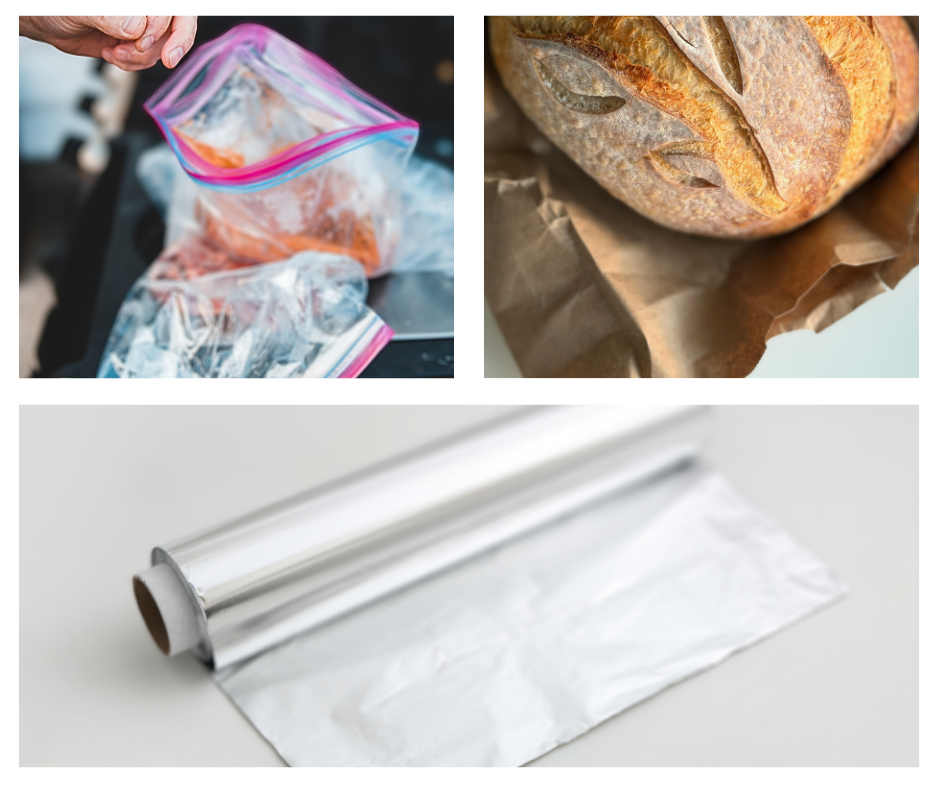
- Aluminum Foil: A commercial-sized roll of foil from Costco (200 meters) lasts our family at least a year.
- The Savings: Grocery store rolls cost around $0.23 per meter. The bulk roll costs about $0.07 per meter.
- Parchment Paper: We buy the large three-pack of parchment rolls, which also easily lasts a full year of heavy baking.
- Ziploc Bags: We regularly buy these in bulk.
- The Savings: Bulk buying brings the cost to $0.12-$0.18 per bag, compared to $0.25-$0.35 per bag at the grocery store—a 30% to 50% savings.
Medical & Miscellaneous Backups
Finally, here are a few miscellaneous items that are always good to have stocked in reserve.

- Contact Lenses & Solution: If someone in your household relies on contacts, keeping a year’s supply of lenses and bulk double-packs of solution is a smart security measure. Keeping backup pairs of glasses is also highly recommended.
- Light Bulbs: Always keep a supply of replacement bulbs on hand.
- Batteries: We have switched primarily to rechargeable batteries (AA and AAA) and keep small chargers on hand. While they eventually lose their ability to hold a long charge, they still save a lot of money over time compared to single-use batteries.
- Basic First Aid: We buy frequently used items like Band-Aids and Polysporin in bulk to ensure the first aid kit is always ready.
Printable Checklist: Non-Food Pantry Stock-Up
- Household: Toilet paper (12 months), facial tissue, garbage bags (large and small).
- Cleaning: Bulk laundry detergent, bulk dish soap refill.
- Hygiene: Bulk shampoo/conditioner, bar soap, toothpaste (12 months), razor blades, feminine hygiene products.
- Kitchen: Commercial aluminum foil, bulk parchment paper, Ziploc bags.
- Misc: Contact lenses/solution, light bulbs, rechargeable batteries, Band-Aids.
If you look at each of these items individually, saving a few cents here and there might not seem like much. However, when you combine the bulk savings across all these categories, factor in the protection against inflation, and add in the fuel saved from fewer grocery trips, the savings add up to thousands of dollars every year.
Building a resilient household and learning how to effectively manage a bulk pantry takes time and practice. If you are looking for a clear, consistent learning space to master these timeless skills alongside others, I invite you to join us inside the Little Mountain Ranch Community.
Whether you are navigating bulk ordering for the first time, want to dive deeper into household management, or simply want to connect with a grounded group of like-minded individuals, our community is designed to support you. We host regular class-style teaching calls, open Q&A office hours, and provide access to a comprehensive resource library.
You can click here to learn more and see if it is a good fit for you.