I recently decided to feed my family using a menu published on December 26, 1933. Originally intended to feed a family of four for about $11 to $13 a week, this menu offered a fascinating look into historical home cooking.
Cooking these meals brought back a wave of nostalgia. More importantly, it taught me several valuable lessons about frugality. We can easily apply these thrifty principles to our modern kitchens to help lower our grocery bills.
You can follow along as I recreate these historic meals and taste-test the results in the video below.
Lesson 1: Stretching the Meat Portion
One of the biggest differences I noticed was the frugality surrounding meat. Today, many families serve a large, whole steak to each person at the table.
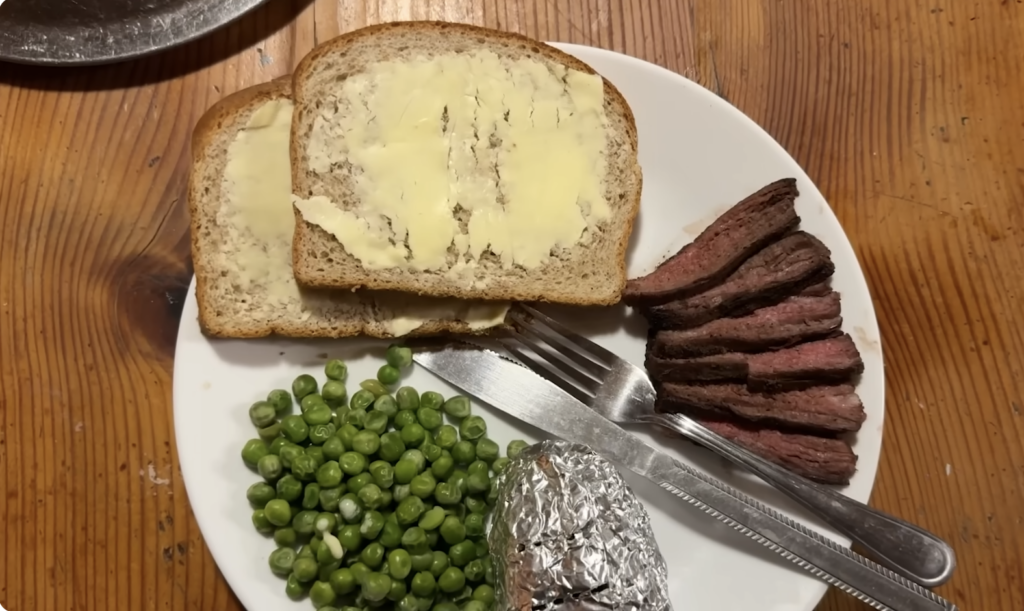
On the 1930s menu, meat was used much more sparingly. We served flank steak one evening. Instead of large portions, the steak was sliced very thinly. Everyone received a small portion of meat alongside several different, inexpensive side dishes. We found we were perfectly full by the end of the meal without needing a heavy portion of beef.
Lesson 2: The Power of a White Sauce
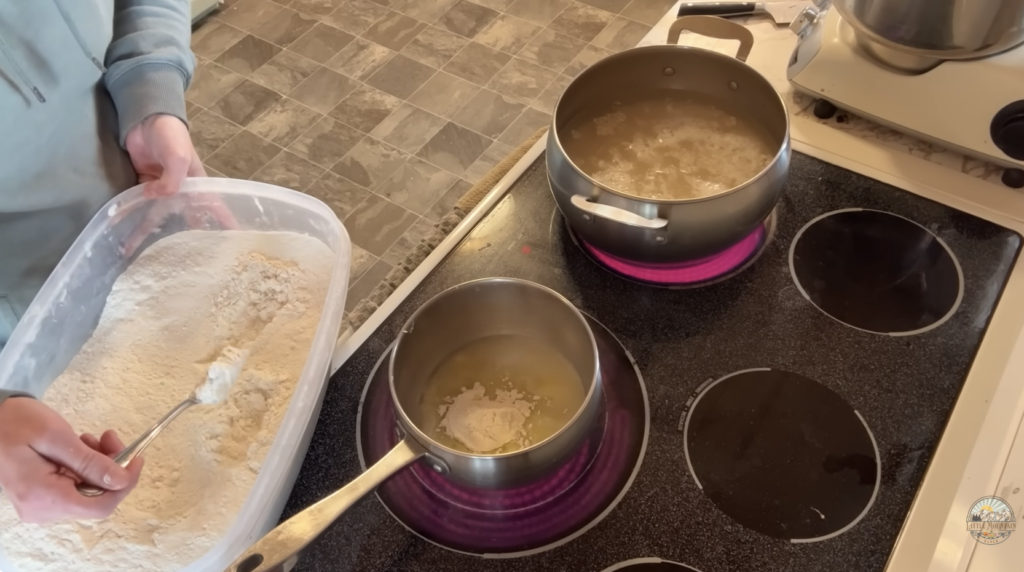
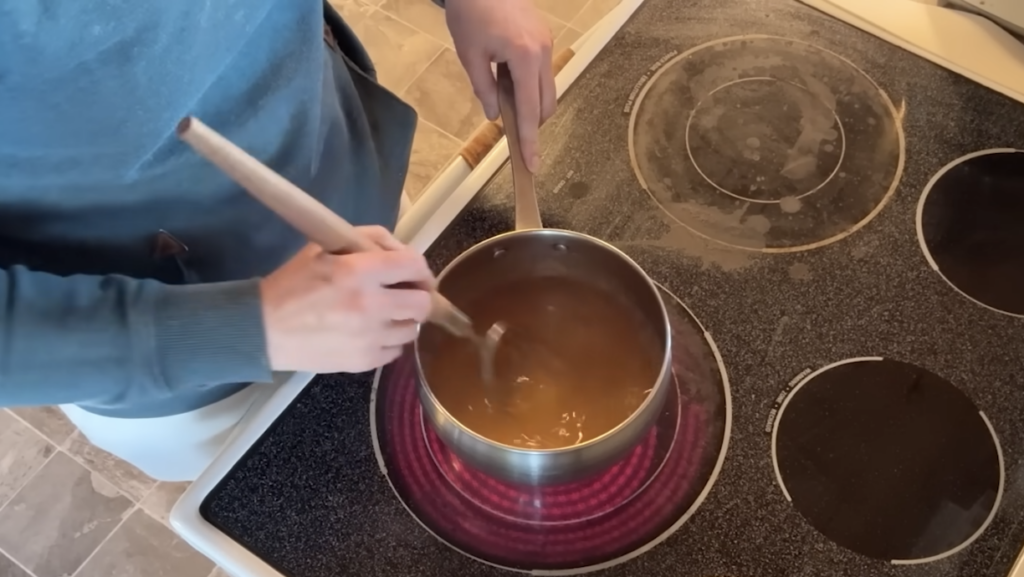
I made a basic white sauce five or six times while following this menu. A traditional white sauce is simply a roux of butter (or lard) and flour, thinned with milk or water.
During hard times, this simple sauce was used to elevate plain ingredients. We used it to make creamed spinach and to stretch small amounts of canned salmon over toast. It is an incredibly cheap way to make basic vegetables and proteins feel filling and satisfying.
A Kitchen Legacy
Making these meals brought back the strongest memories of my childhood and my paternal grandmother. She was the one who taught my mother how to really cook.
I lost touch with her when I was around ten years old. She later developed Alzheimer’s and passed away. I haven’t heard her voice since I was a young child. However, while cooking these 1930s meals, I heard her voice in my head. It meant so much to me.
My strongest memory is of her in the kitchen. She had a slightly hunched back, much like I do now. I remember her hunched over her counter, always wearing an apron. I would give anything to be able to see her cooking in her kitchen today.
This experience made me realize something beautiful. By filming and writing about these recipes, I am leaving a legacy for my own grandchildren. Food connects us across generations.
Recipe 1: Natural Jellied Fruit
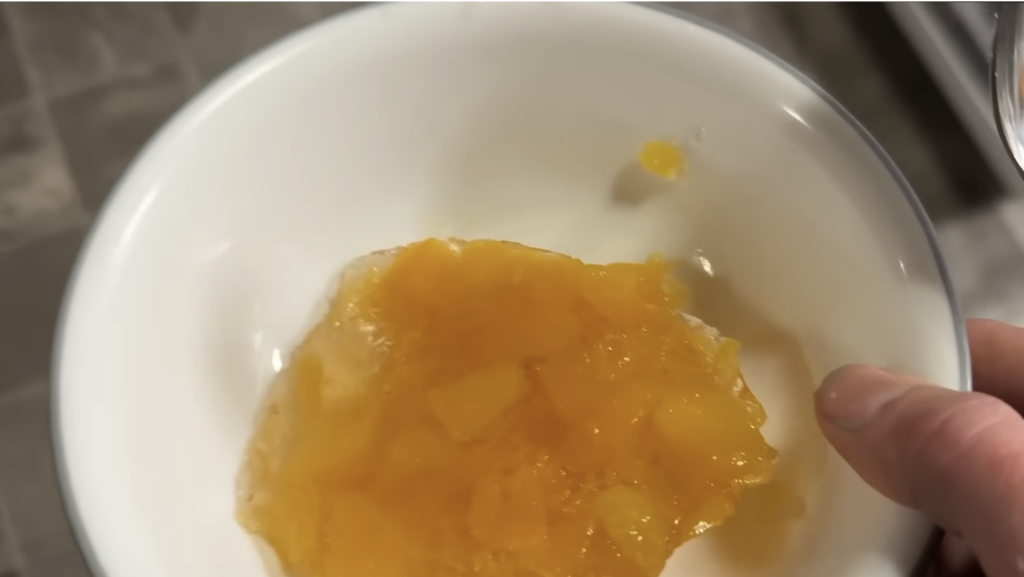
Dessert was served with almost every meal in the 1930s. However, these were not heavy, sugar-laden cakes. They were simple, frugal sweets like this jellied fruit.
Instead of buying boxed gelatin filled with artificial dyes, we made this from scratch using leftover pantry items.
Ingredients & Method:
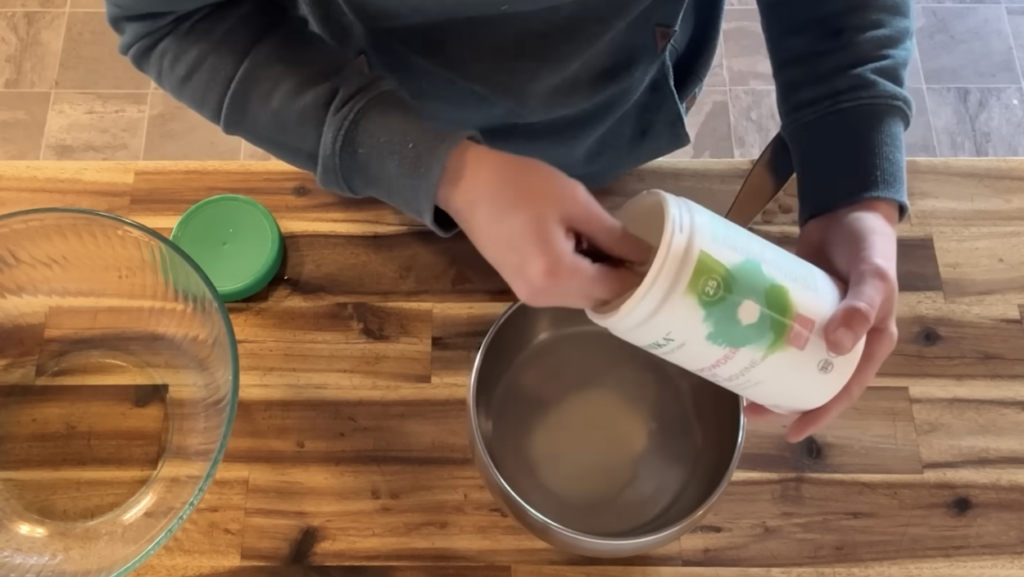
Bloom plain bovine gelatin in a small amount of water.
Stir in leftover fruit juices. I used peach juice reserved from my home-canned peaches and some homemade watermelon juice.
Chill until set.
This was surprisingly delicious. It is a fantastic way to ensure the juice from your canned goods never goes to waste.
Recipe 2: Fried Cornmeal Mash
This is a classic, ultra-affordable staple that makes a wonderful breakfast or side dish.
Ingredients & Method:
Mix cornmeal with a little cold water and let it sit. (This prevents lumps).
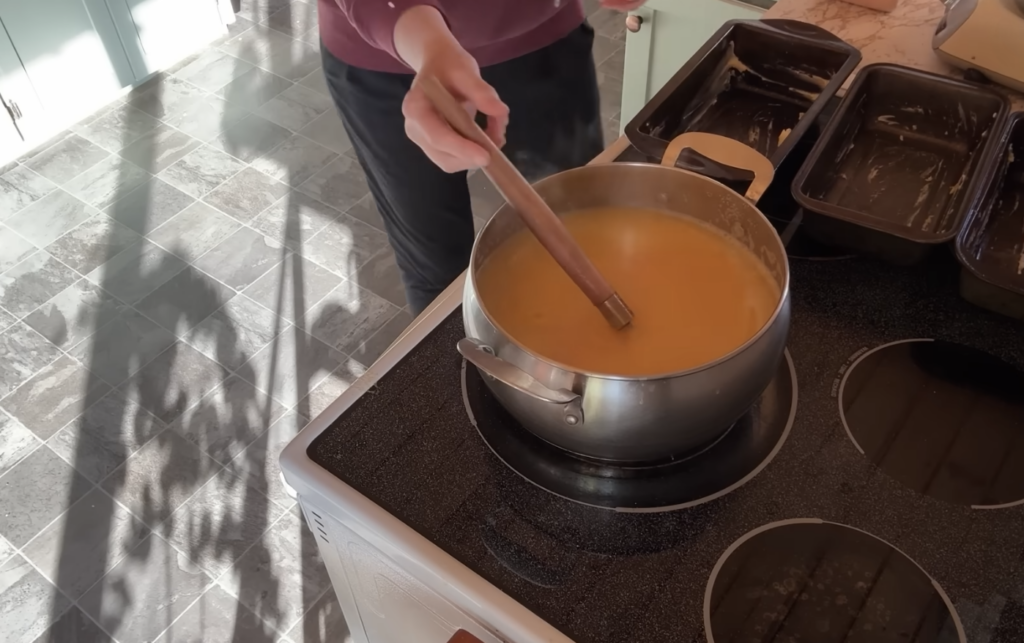
Stir the soaked cornmeal into a pot of boiling water.
Cook for about 10 minutes until the mixture is very thick. Turn off the heat and let it rest.
Add a pinch of salt. Pour the thick mash into buttered loaf pans.
Chill in the refrigerator for about 4 hours until completely firm.
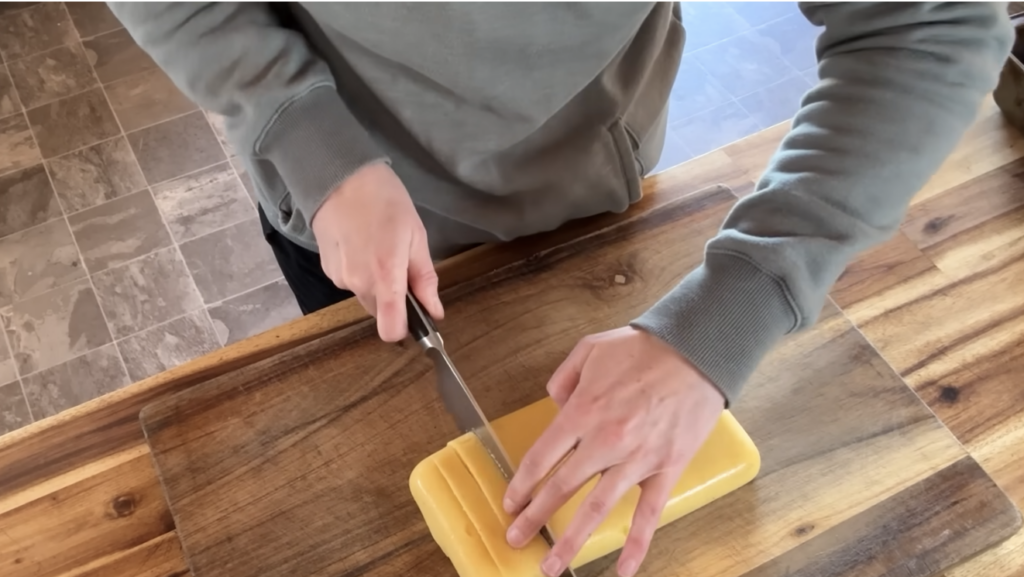
Turn the firm mash out onto a cutting board and slice it thickly.
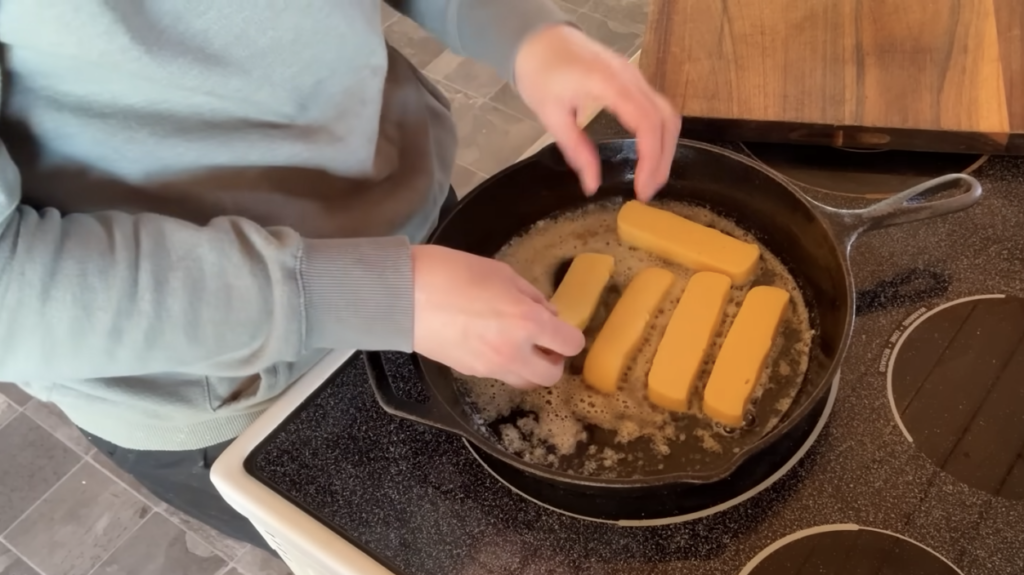
Fry the slices in a skillet with butter or oil until golden. (Traditionally, this was fried in bacon grease or lard).
Serve hot with a drizzle of maple syrup.
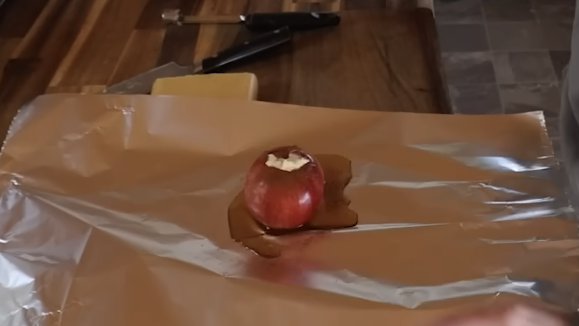
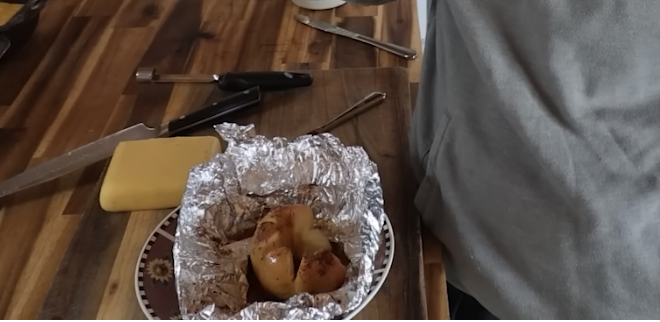
Recipe 3: Simple Baked Apples
During difficult times, people found ways to experience joy through very simple things. A baked apple is the perfect example of elevating a humble ingredient into something special.
Ingredients & Method:
Preheat your oven to 350°F.
Core a whole apple. Make a few shallow slices around the skin so the flavors can sink in.
Place the apple on a square of aluminum foil.
Fill the cored center with maple syrup (or brown sugar) and a dash of apple pie spice.
Fold the foil up tightly around the apple so no juices can leak out.
Bake for about 30 minutes, or until the apple is completely soft.
Are you looking for a clear, consistent learning space to master these timeless skills? I invite you to join us inside the Little Mountain Ranch Community. We host regular class-style teaching calls and open Q&A office hours. You also gain access to a comprehensive resource library.