

Table of Contents
Recently, I shared a 1933 menu that relied heavily on store-bought items. Many of you rightly pointed out that it was likely geared toward wealthier families. During the Great Depression, there was undoubtedly widespread poverty and starvation. However, it is also true that people with means still shopped at grocery chains. To provide a more balanced perspective, today we are going to explore a 1930s rural grocery haul.
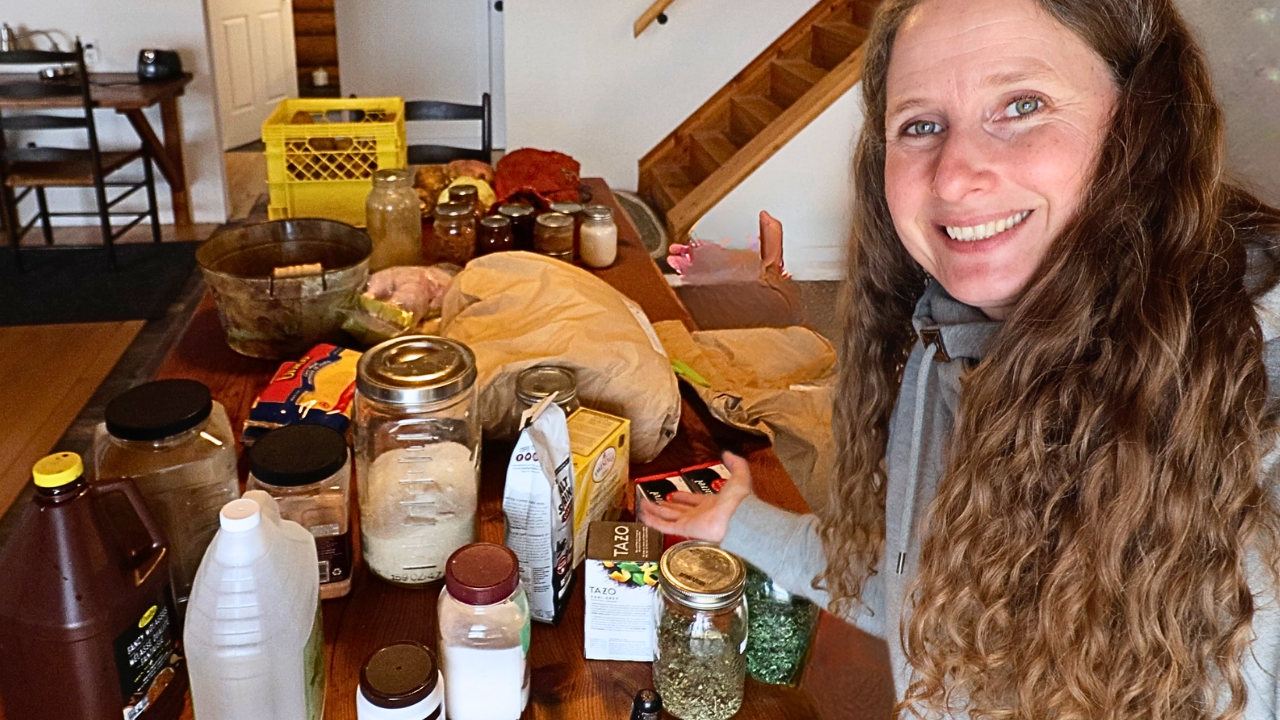
This haul represents what an average farm family (or a very low-income family) of 6 to 10 people would have eaten in a week. Because rural families grew most of their own food, this grocery haul is a little different. I am shopping entirely out of my own pantry and root cellar to recreate it!
You can follow along as I pull these items from my shelves and discuss the historical prices in the video below.
How 1930s Farm Families Shopped and Ate
Before we look at the food, we need to set the stage. For this rural grocery haul, we are making a few historical assumptions based on how families lived during that era:
- They grew their own food. Most lower-income families had a garden. They likely raised a pig or two, kept chickens, and either had a dairy cow or received local milk deliveries.
- They rarely went to the store. Rural families did not grocery shop every week. The nearest store was often 30 to 50 miles away. They made the trip every 4 to 6 weeks to stock up on bulk dry goods.
- They only ate twice a day. Families generally ate a midday meal and an evening meal. Snacking was not part of the culture.
- Meals were starch-heavy. To keep bellies full while stretching a dollar, meals relied heavily on bulk starches like potatoes, bread, and oats.
Category 1: Bulk Dry Goods
These were the crucial, calorie-dense items families purchased in large sacks to sustain them between infrequent trips to town.
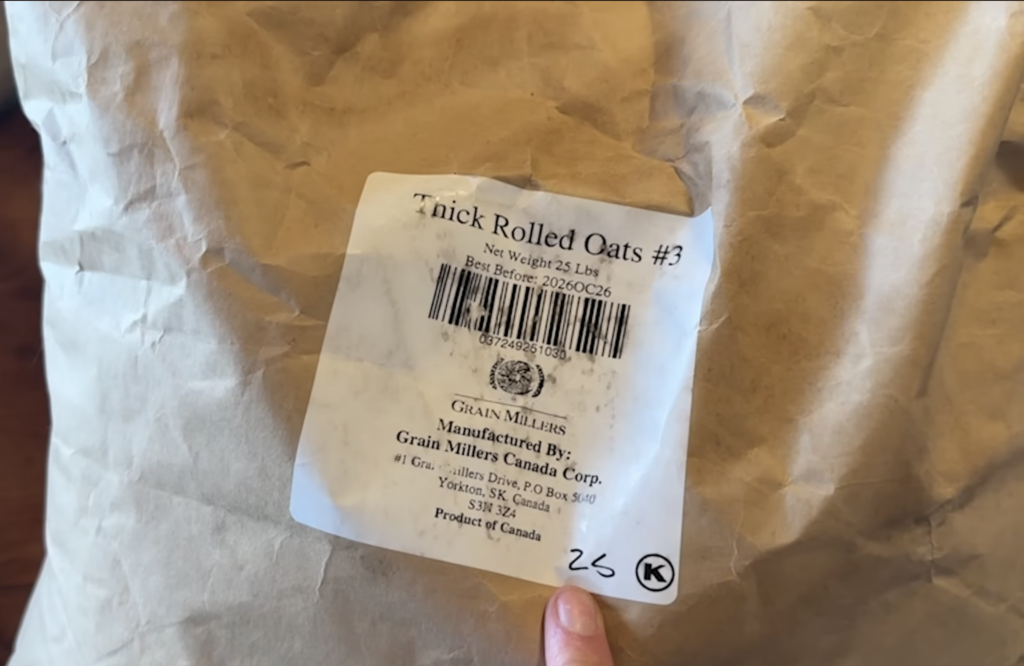
- Rolled Oats: A 25lb bag of oats costs us about $25 CAD today. In the 1930s, oats were around 3 cents a pound.
- Flour: A 25lb bag of flour was about 75 cents back then. A large family would easily go through 5 to 7 pounds of flour a week for daily bread making.
- Cornmeal: A highly common staple for mashes and baking. It cost about 4 cents a pound in the 1930s.
- Dried Beans: Beans were incredibly cheap to buy in sacks (about 5 cents a pound) and easy to grow and store. Families often used 4 to 6 pounds of beans per week.
Category 2: Proteins, Dairy, & Fats
Meat was used sparingly to flavor dishes, and families relied heavily on what they could raise themselves.
- Pork & Lard: Raising a pig was common because they required little space and ate garden scraps. Pork was easily cured (salt pork was about 12 cents a pound) and stored without refrigeration. Rendered lard was the primary cooking fat and was even used as a spread on bread when butter was scarce.
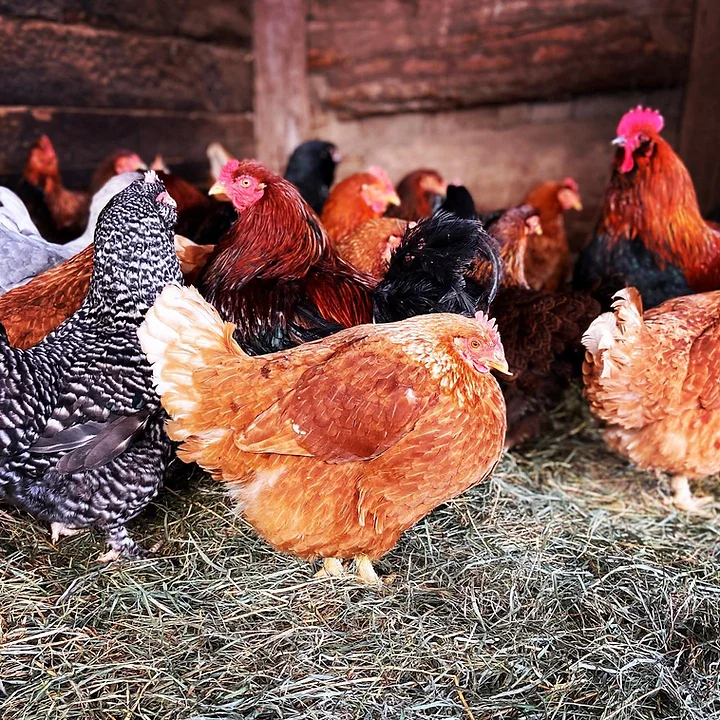
- Chicken & Eggs: Chickens were cheap to feed with grain and kitchen scraps. Families typically butchered older laying hens for meat, using maybe one or two a week.
- Canned Salmon: This was a surprisingly common store-bought protein, costing around 15 cents a pound.
- Milk & Butter: Milk was around 25 cents a gallon. Families would skim the cream off the top of non-homogenized milk and churn it into butter themselves.
Category 3: Preserved Goods & Sweeteners
Without fresh produce in the winter, families relied on what they had preserved.
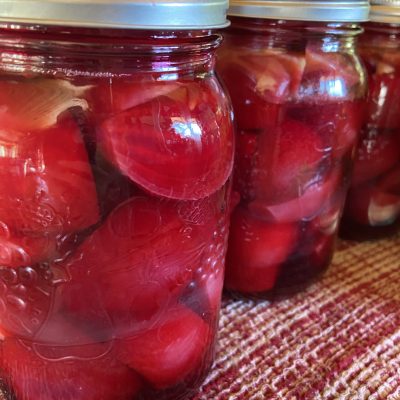
- Apples: Apples were one of the most commonly preserved foods. They stored well in root cellars, and families canned ample amounts of applesauce and apple butter.
- Canned Beets & Carrots: Beets were very popular because they were easy to grow, stored beautifully, and offered a natural sweetness to otherwise bland meals.
- Molasses: While honey was used by some, molasses was the most common sweetener. It cost around 20 cents a quart, and a family might use two cups a week in their baking.
- Sugar: White sugar was roughly 25 cents for a 5lb bag. Families typically used about a pound a week.
Category 4: Baking Staples & Morale Boosters
To turn those bulk sacks of flour into edible calories, a few specific pantry items were required.
- Baking Soda & Baking Powder: Essential for making breads and biscuits, especially if yeast was unavailable. A tin cost between 10 and 20 cents. (We have actually dug up 1920s baking powder tins on our own homestead!)
- Salt & Vinegar: Salt was incredibly cheap (5 cents a pound) and absolutely vital for curing meats and preserving food.
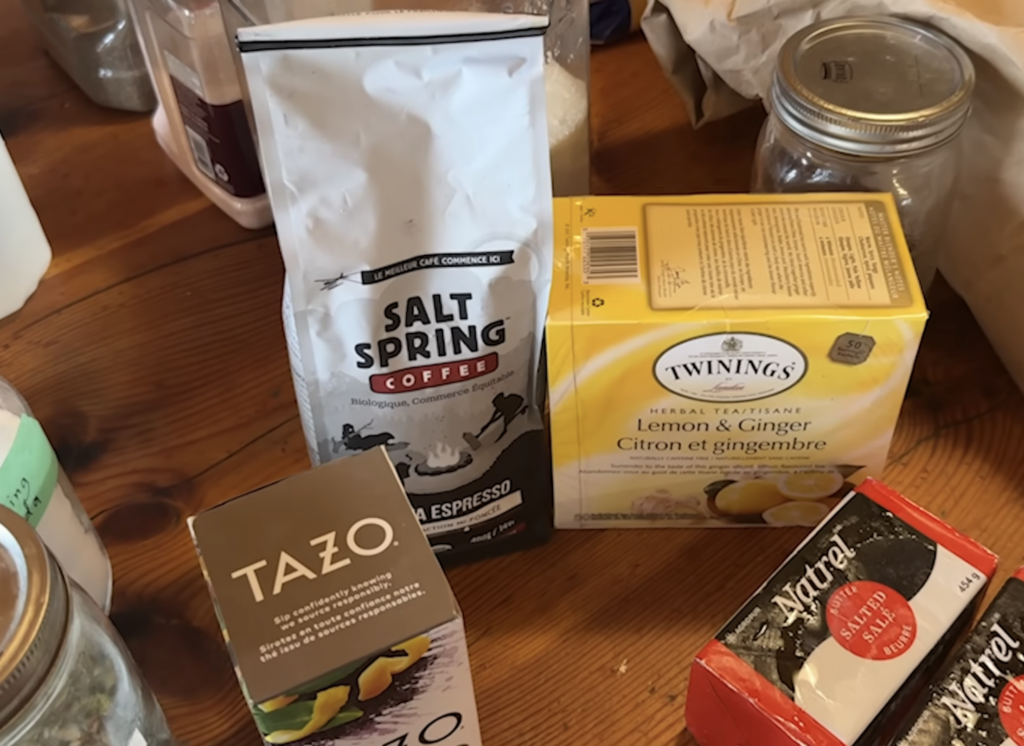
- Coffee & Tea: Even when money was incredibly tight, families still bought coffee (25 cents/lb) and tea (20 cents/lb). Times were incredibly hard, and a warm cup of coffee or tea was a vital morale booster.
Category 5: Root Cellar Vegetables
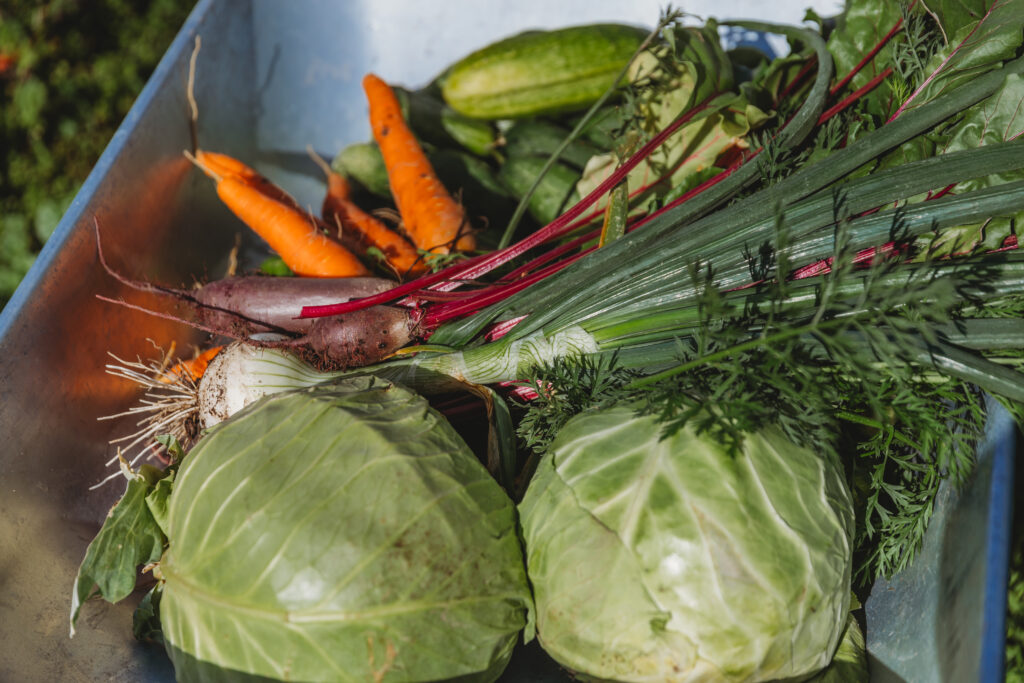
I am not including prices for these, as a 1930s farm family would have grown these themselves. Root vegetables were the backbone of the winter diet.
- Potatoes: A large family could consume up to 25 pounds of potatoes in a single week! They were filling, cheap, and easy to grow.
- Cabbage: Cabbages store surprisingly well in a root cellar. A family might eat two whole cabbages a week.
- Turnips, Rutabagas, & Parsnips: These hearty root crops yielded heavily in small spaces and lasted all winter in cold storage.
Why These Thrifty Skills Matter Today
If a family bought the store-bought bulk goods for this weekly menu in the 1930s, it would have cost them around $6.00. Today, buying those exact same bulk items costs between $135 and $150 CAD.
I am deeply drawn to this time period. Our own farm was homesteaded in the 1920s and 30s. We know from local history that the original family here was fiercely independent. They grew their own wheat, made their own shoes, and survived off this land.
Beyond the fascinating history, I share this because food prices today are soaring. I hear from people all over the world who are struggling to afford groceries. The people who lived through the Great Depression knew how to stretch a dollar. They knew how to stretch a potato and a loaf of bread to keep their families fed.
Diving into these thrifty, historical ways of cooking feels incredibly important right now. Learning to make filling, nutritious meals on a tight budget is a skill we all need.
If you are looking for a community to learn these timeless, from-scratch cooking skills alongside, I invite you to join us inside the Little Mountain Ranch Community. We host regular teaching calls, Q&A sessions, and share incredible resources for stretching your grocery budget.
You can click here to learn more and see if it is a good fit for you!