

In This Post
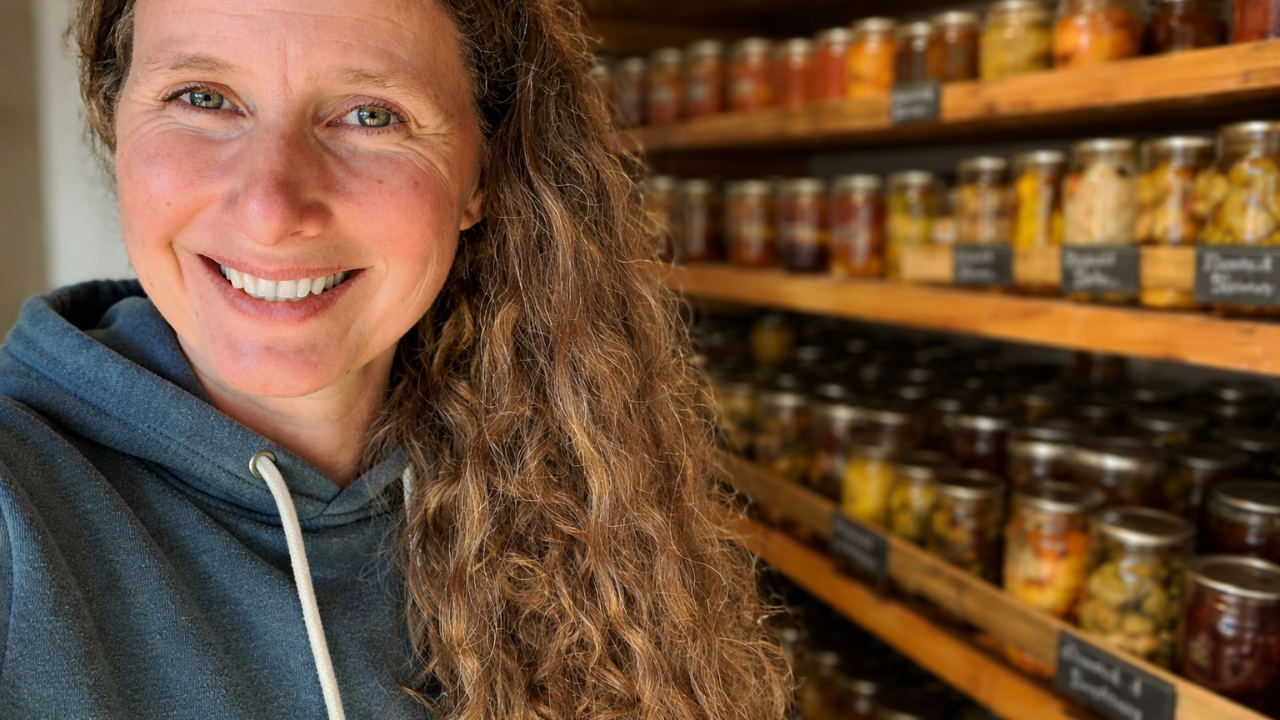
I usually do a massive pantry tour at the end of the harvest season. It is so satisfying to show you shelves jam-packed with the food we preserved for the winter.
However, doing an end of winter pantry audit is actually far more educational.
Spring is the time to look at what is left on the shelves and evaluate how much we actually consumed. Did we grow enough? Did we can too much? Today, I am taking you through our winter pantry audit and sharing the biggest lessons we are applying to next year’s garden plan.
Why We Do a Spring Pantry Audit
I love keeping a well-stocked pantry. It provides massive food security. Buying and storing in bulk saves us a lot of money, especially as inflation drives grocery prices up. Most importantly, I do not love grocery shopping! I would rather do a massive bulk shop every three months than go to the store every week.
However, keeping a pantry requires auditing.
It is incredibly discouraging to put your heart and soul into growing and preserving food, only to realize your family isn’t actually eating it. An end of winter pantry audit tells me exactly what I need to plant more of, and what I need to scale back on.
The “Not Enough” List: What We Ran Out Of
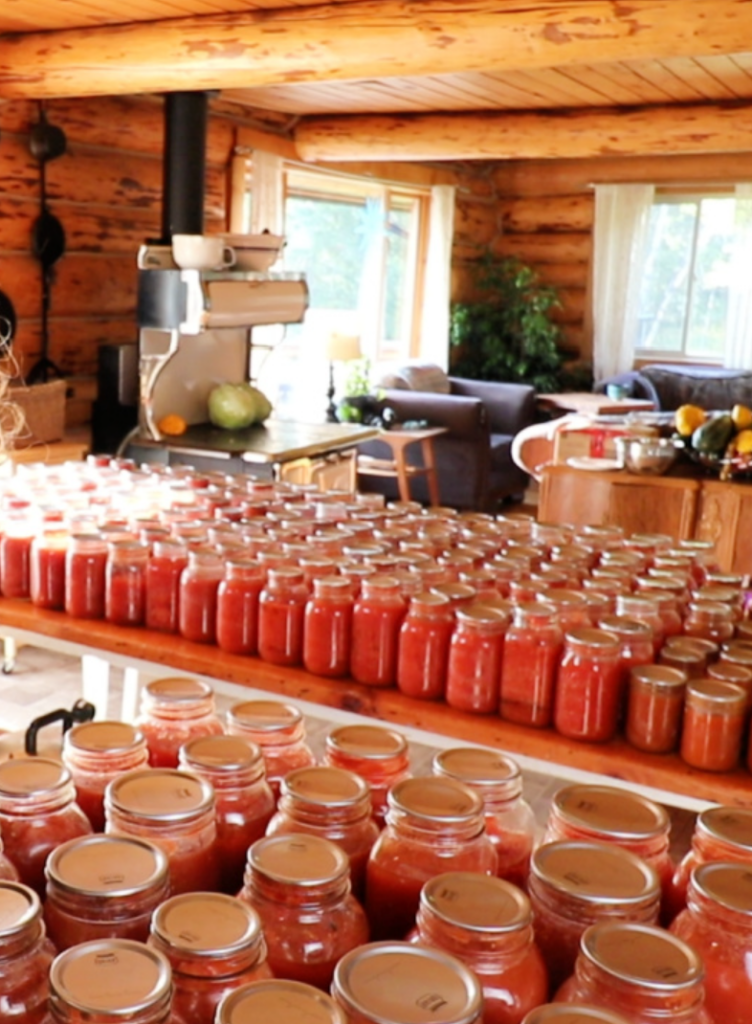
Even though we started the winter with roughly 1,500 jars of home-canned food and massive bulk orders, we completely ran out of a few essential items.
- Tomato Products: We went through an unbelievable amount of diced tomatoes and tomato sauce. I will need to plant and preserve significantly more tomatoes this coming gardening season if we want them to last a full twelve months.
- White Rice & Flour: We ran completely out of our bulk white rice and True Grain flour. We did a lot of baking this winter!
The “Too Much” List: Adjusting the Garden Plan
This is where the winter pantry audit truly shapes our upcoming garden plan. We had a bumper crop last year, and I simply preserved way too much of certain things.
- Onions: I grew 1,200 onions last year. That is twice as many onions as I want to deal with! I am going to freeze-dry the excess so they do not go to waste, but I am scaling back to planting just 500 onions this year.
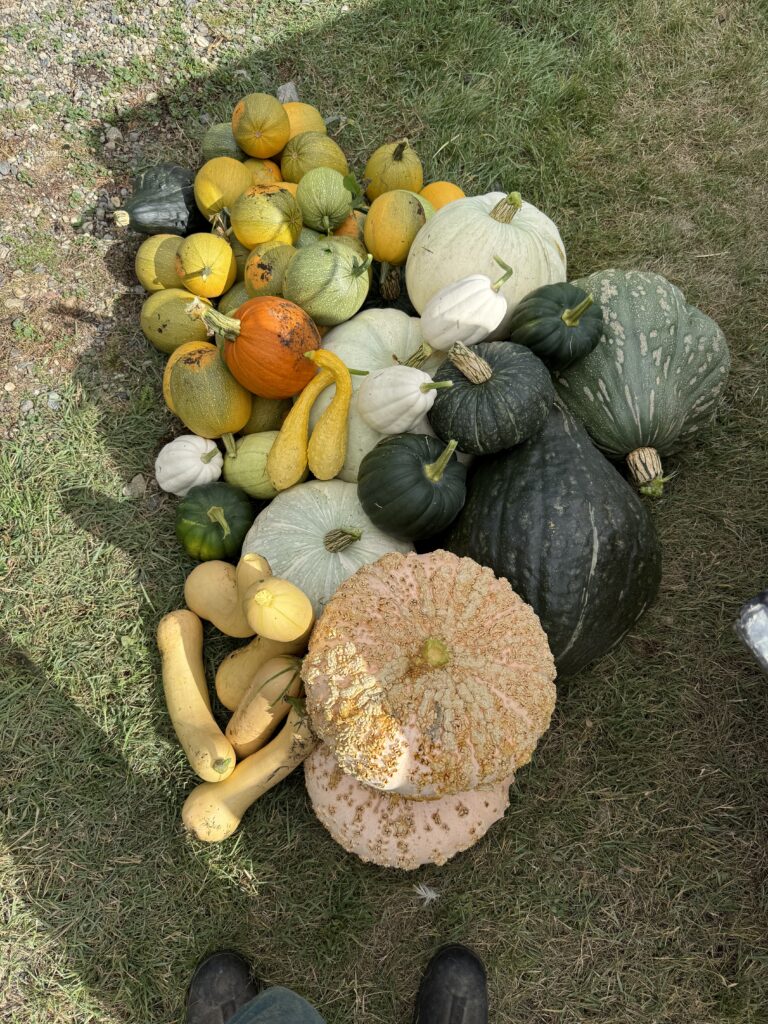
- Squash: I grew over 240 winter squashes. They store beautifully, but it was too many for us. Fortunately, we fed the excess to our dairy cows and chickens to supplement their winter feed!
- Zucchini Relish: This is our absolute favorite relish, but I have a lifetime supply on the shelf. I will not need to can any this year.
3 Essential Food Storage Lessons
Going through the jars and bulk goods also reminded me of a few crucial food storage rules.
1. Freeze Your Grains
I store my bulk flour in a cool, insulated room. People always ask if I have issues with bugs in my grains. Because I live in a cold, dry climate and ship flour in the winter, I usually do not. However, if you struggle with pantry bugs, throw your bags of flour or grain into your freezer for 3 to 7 days. This will kill any microscopic bug eggs hiding in the grain!
2. Prioritize Convenience in Canning
I still have quite a few jars of canned cherries on my shelf. Why? Because I canned them with the pits still inside. While it is completely safe and saved me a ton of time during the busy summer, it makes them very inconvenient to bake with now. I likely will not do that again.
3. Watch for Discoloration
I do not mind keeping canned goods on my shelves for 18 to 24 months. However, you need to eat them before they discolor. Things like peach salsa will begin to turn a slightly unappetizing brown color if left too long.
A Root Cellar Check-In
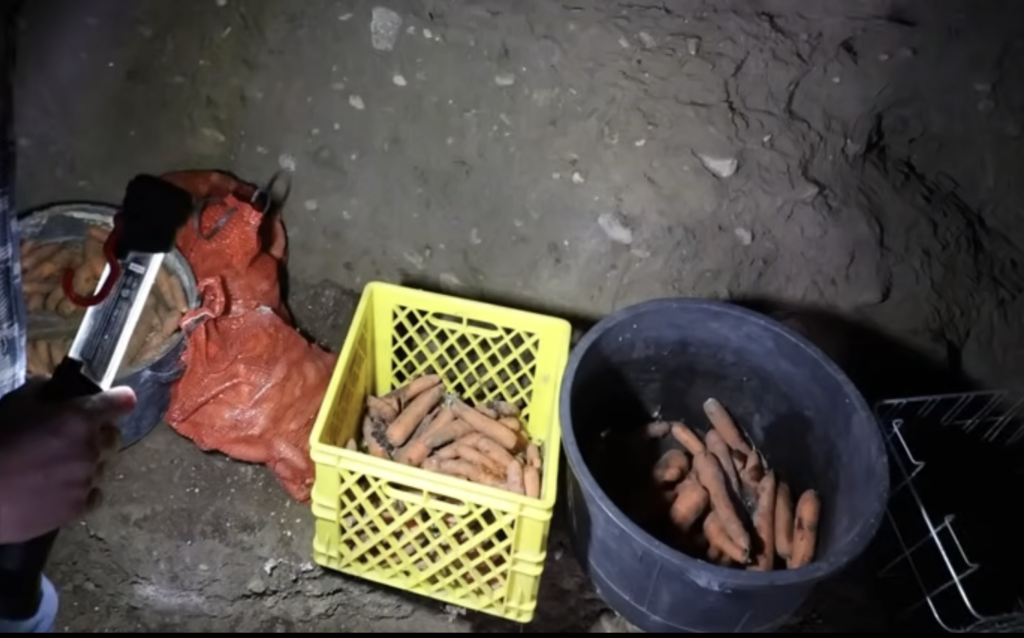
Finally, the winter pantry audit includes checking the root cellar. Our 1930s root cellar is basically a giant hole in the ground with dirt walls.
My potatoes, beets, and carrots are still holding up beautifully without sprouting. If a mouse ever finds its way into the dirt walls, a simple mouse trap takes care of the issue before they can ruin the crop.
Garden Planning Tip: Even if I have potatoes left over in the root cellar that I could use as seed potatoes, I always order fresh, organic seed potatoes in the fall just in case! Seeing that we have enough food left to get us through until the garden starts producing again is incredibly satisfying. If you want to learn how to grow, preserve, and store your own food, I invite you to join us inside the Little Mountain Ranch Community!
Click right here to explore the membership and find your new self-sufficient family.