

In This Post
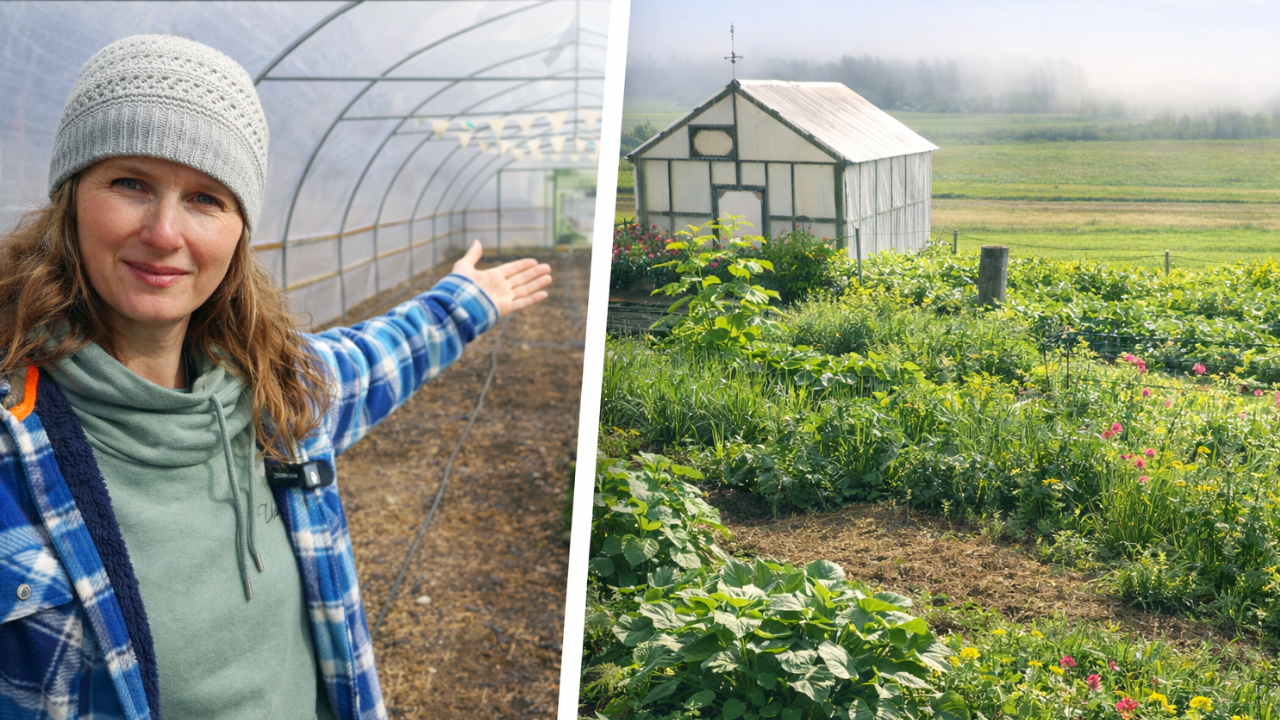
Welcome to the first garden update of 2026! The ground here in the North is still frozen solid. We are waking up to snow almost every other day. While it can be a bit demoralizing, this weather forces me to sit down and get serious about spring garden planning.
Because I cannot physically plant anything outside yet, I use this time to evaluate what worked last year and what failed. Follow along with me as I share three massive lessons I am applying to my spring garden planning this year.
Using the Past to Plan the Future
My spring garden planning strategy is a little unorthodox. I physically walk down to my dormant growing spaces, stand in the dirt, and visualize the layout.
I think back to what the garden looked like at its peak. I pick my absolute favorite features from previous years and amalgamate them into a fresh plan. Whether you have a 10×10 plot or an acre of food, taking time to evaluate these three areas will save you massive headaches this summer.
Lesson 1: Map Your High Tunnel Sun Exposure
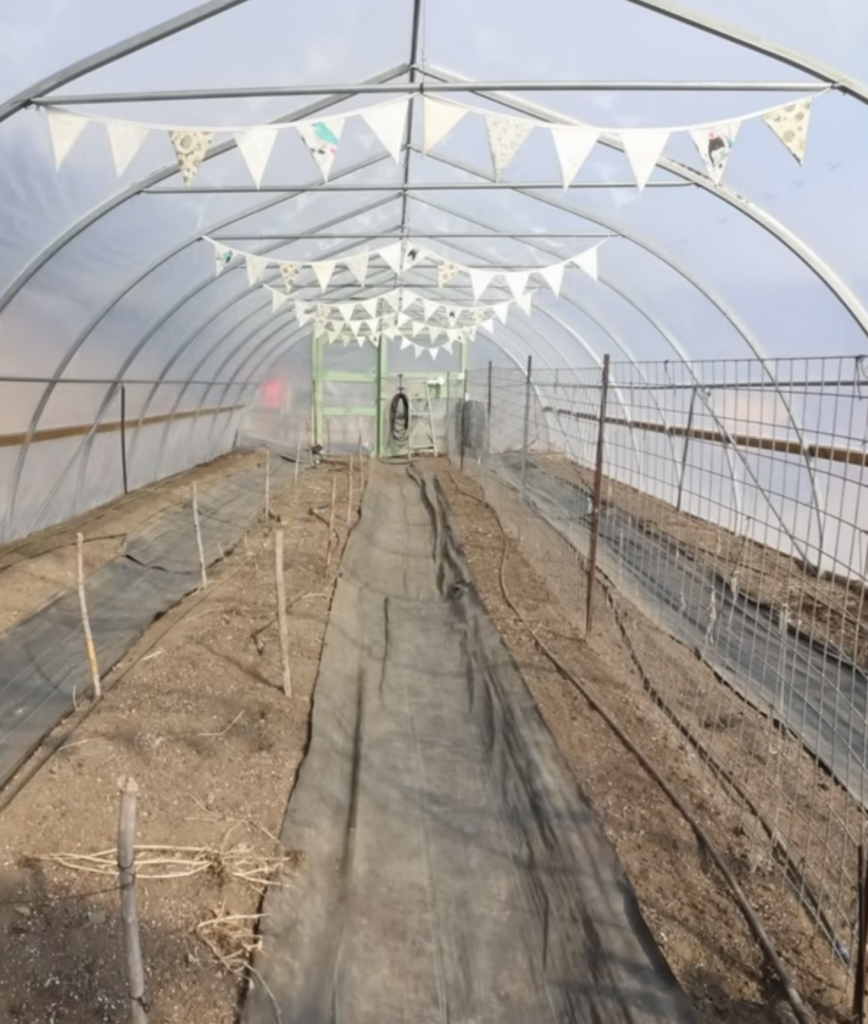
For years, I have planted rows of tall, indeterminate tomatoes down the center and sides of my high tunnel. However, over the last couple of years, I noticed a clear pattern. The tomatoes on the West side of the greenhouse were simply not as prolific as the ones on the East side.
Why? Because they were getting shaded out. They were not getting direct morning sun until around 11:00 AM.
The Planning Fix: You have to plant for the sun you actually have. This year, I am shaking things up. Because that West side only yields about 100 pounds of tomatoes due to sub-optimal conditions, I am moving my tomatoes to the sunnier sections. I am going to fill that West wall with beautiful, shade-tolerant flowers and peppers instead!
Lesson 2: A Realistic Strategy for Quack Grass
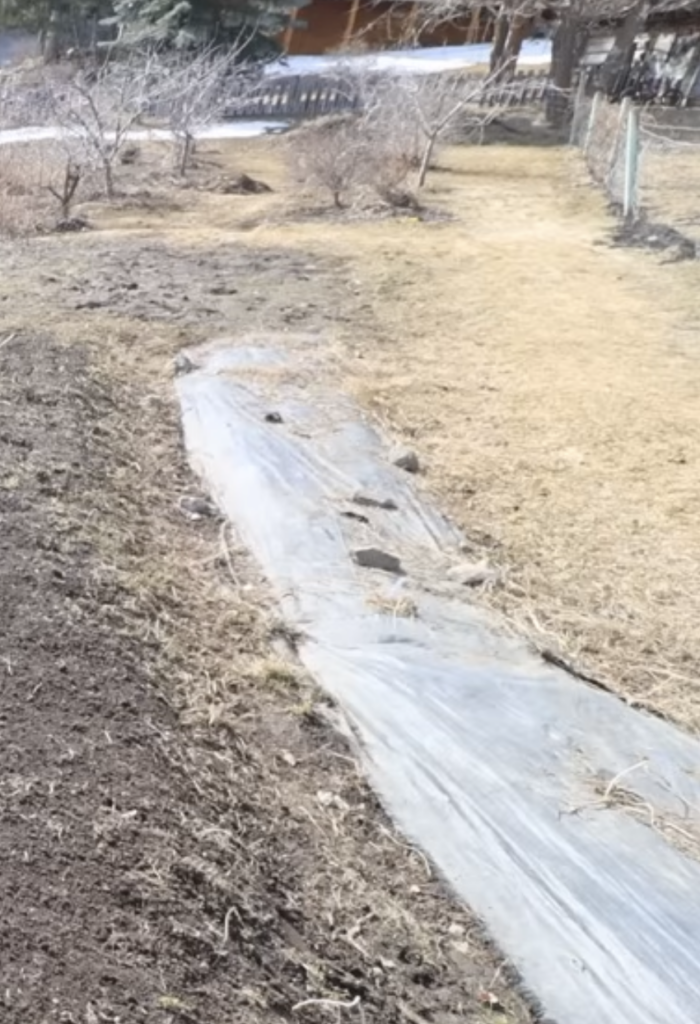
If you garden anywhere near a hayfield or pasture, you likely battle invasive grasses. Quack grass is my ultimate nemesis. It will push its way through deep mulch, thick cardboard, and wood chips.
If you are dealing with invasive grass, you need a realistic management strategy in your spring garden planning.
The Planning Fix: I use heavy-duty, high-quality weed barrier. When a specific garden bed becomes heavily infiltrated with quack grass, I cover it tightly with the weed barrier. I plant my bush squashes and zucchinis in holes cut through the fabric. The large squash leaves cover the unsightly plastic. I leave that bed covered for two full years to completely choke out the grass roots. Then, I pull the barrier up and enjoy a perfectly clean bed for the next few years! I simply rotate this system around the garden as needed.
Lesson 3: Permaculture Food Forest Regrets & Wins
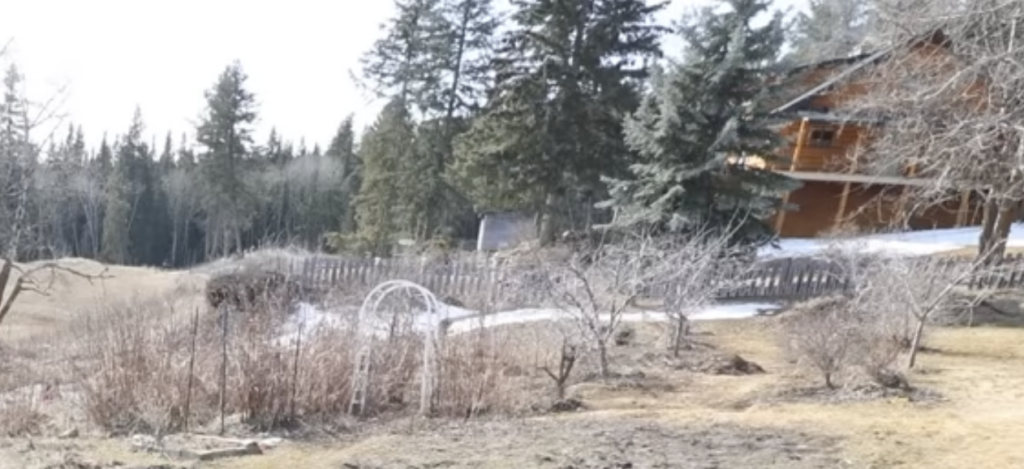
Seven years ago, I planted a permaculture food forest. It has been an incredible learning curve. It produces a massive amount of food, but I have a few major regrets.
If I were to design a food forest from scratch today, I would focus almost exclusively on fruit trees and waist-high berry bushes (like Haskaps). Here is what I am changing:
The Sea Buckthorn Mistake
I planted Sea Buckthorn because it is touted as an antioxidant-rich superfood. I did not realize it would turn into a massive, towering tree covered in vicious thorns! It is not a plant you want to brush past on a garden pathway. Even worse, it sends invasive suckers out everywhere. I will be cutting it down and moving the roots far away from my main food forest to make room for another fruit tree.
The Magic of Comfrey
While I regret the Sea Buckthorn, planting Comfrey under my fruit trees was my best decision ever. Comfrey is a “biodynamic accumulator.” It grows a massive, deep taproot that pulls up nutrients from deep underground—far below where the tree roots reach.
The Comfrey leaves store those deep nutrients. When the plant dies back (or when I stomp it down), the leaves decompose on the soil surface. This feeds the shallow tree roots and acts as a living weed barrier to keep grass away from the tree trunk! It is beautiful, the bees love the flowers, and it naturally fertilizes the fruit trees. I will never plant a fruit tree without Comfrey again.
Need Help Planning Your Garden?
If you are looking at your empty yard and feeling overwhelmed by spring garden planning, you do not have to figure it out alone.
Click right here to explore the Little Mountain Ranch Community and find your new gardening family.
We have an incredible group of seasoned gardeners and absolute beginners sharing plans, troubleshooting layouts, and cheering each other on. I would love to see you there!