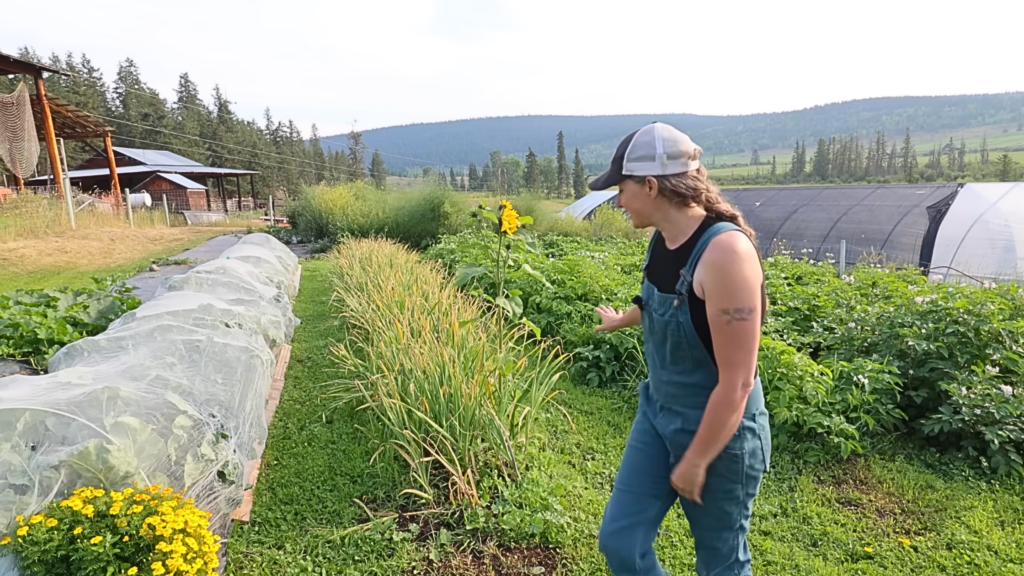
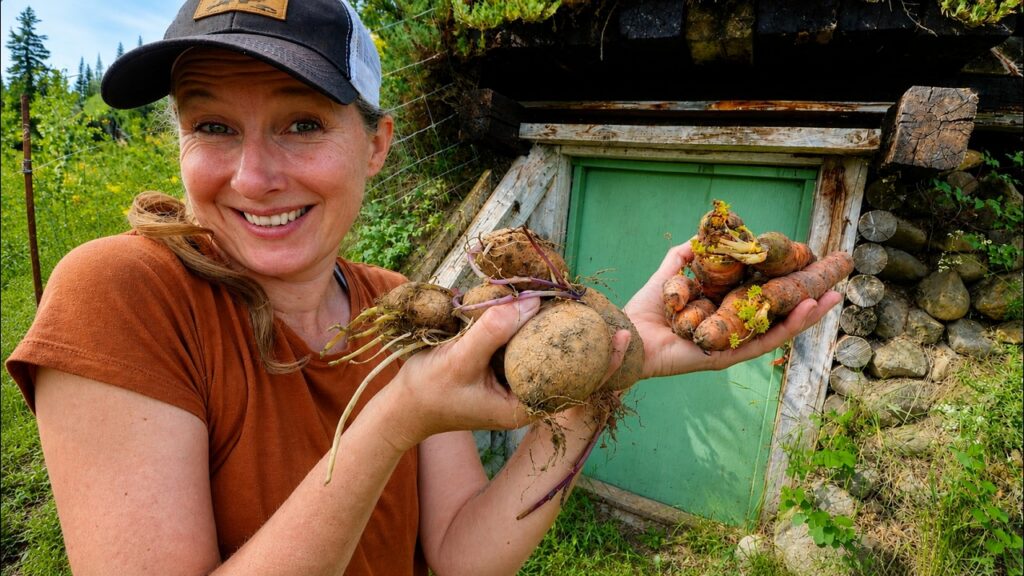
I planted 600 cloves of garlic last October and pulled them out of the ground this week. I am not going to pretend that was not emotional, because this particular harvest carries more weight than usual. This garlic is not just for our kitchen. It is the seed stock for next year's crop at our new farm, the first tangible step toward the farm store I have been working toward for years.
When we decided to move our family off our 160-acre ranch in central BC, the thing that worried me most was not packing the house or selling the equipment. It was the garden. Six years of perennial plants. Haskaps that fruit before anything else in the yard. Comfrey that feeds the apple trees without being asked. Raspberries that have taken over in the best possible way. Plants we chose carefully for our cold climate and that took years to establish.
Table of Contents Managing a food supply requires careful planning. You must know how to stretch your storage assets effectively. This practice keeps the kitchen running until the new season’s harvest arrives. It is deeply satisfying to clear out the bottom bins of your root cellar. Turning past-prime staples into a comforting dinner reduces household … <a title="How To Use Up Old Root Cellar Vegetables: Old-fashioned Beef Stew" class="read-more" href="https://littlemountainranch.ca/how-to-use-up-old-root-cellar-vegetables/" aria-label="Read more about How To Use Up Old Root Cellar
Table of Contents There is nothing quite like the flavor of homegrown food. When the garden begins to give in abundance, it feels a bit magical every single time you pull a beautiful harvest out of the ground. Managing that rush of produce requires practical kitchen systems to turn raw greens and root crops into … Read
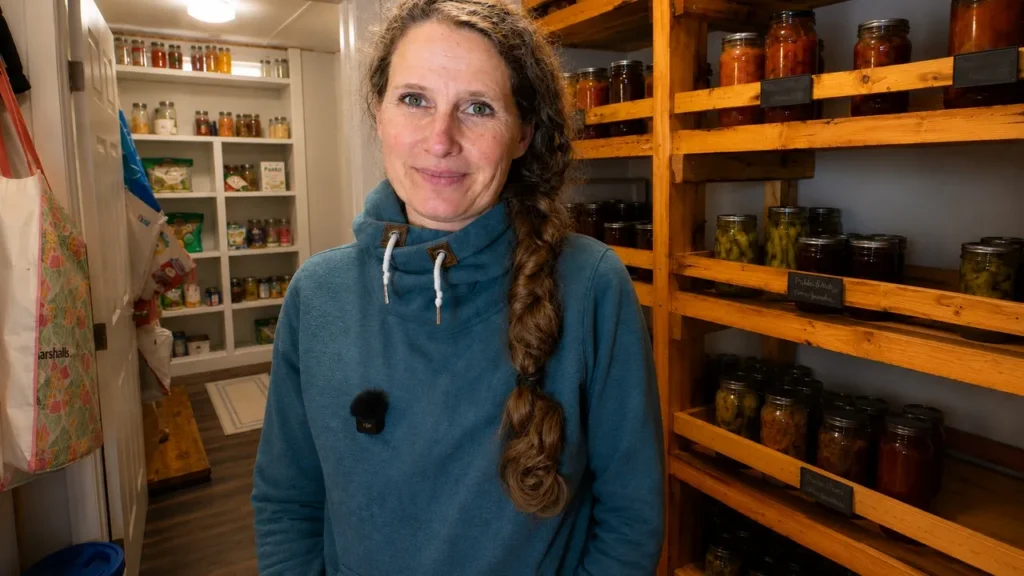
Little Mountain Ranch has sold, and with a family of nine and somewhere between 6 and 12 months of food stored on these shelves, the practical choice was to eat through as much of it as possible before moving day. Over 300 jars later, I have learned more about how I actually want to run my pantry than any canning season ever taught me. Here is what I found.
In this guide, we will break down the step-by-step method for infusing carrier oils. We will also calculate reliable wax-to-oil ratios to craft a shelf-stable comfrey salve right on your kitchen counter.