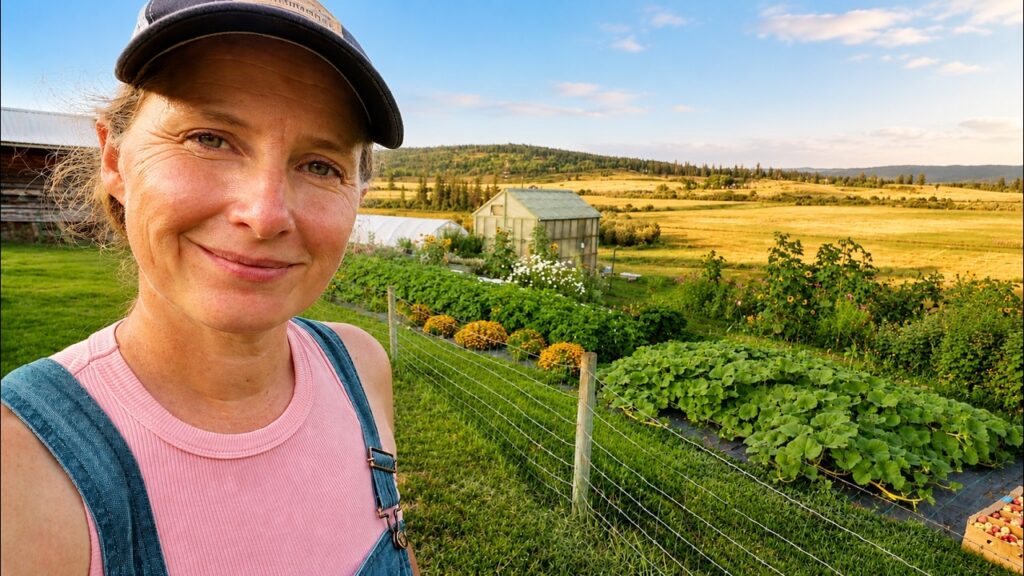
This was supposed to be a smaller year. We knew we were moving, so I scaled the garden back. Fewer beds, less pressure, more of a wind-down than a full push. And then the garden, apparently, did not get the memo.
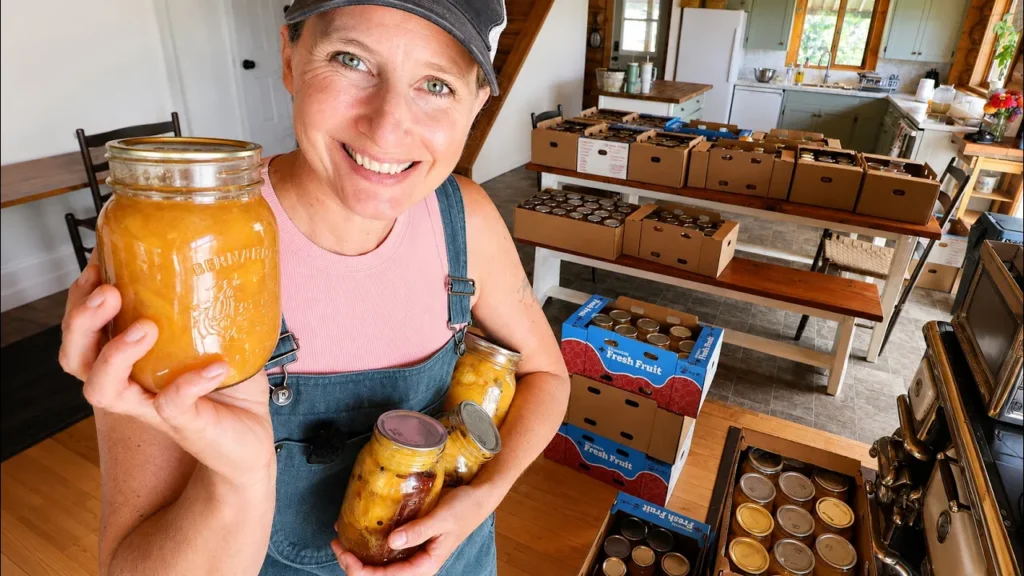
This past week I brought home 200 pounds of Okanagan peaches from Desert Hills Ranch near Ashcroft, BC, set up an outdoor canning station, and spent the better part of two days turning them all into shelf-stable food for the new pantry.
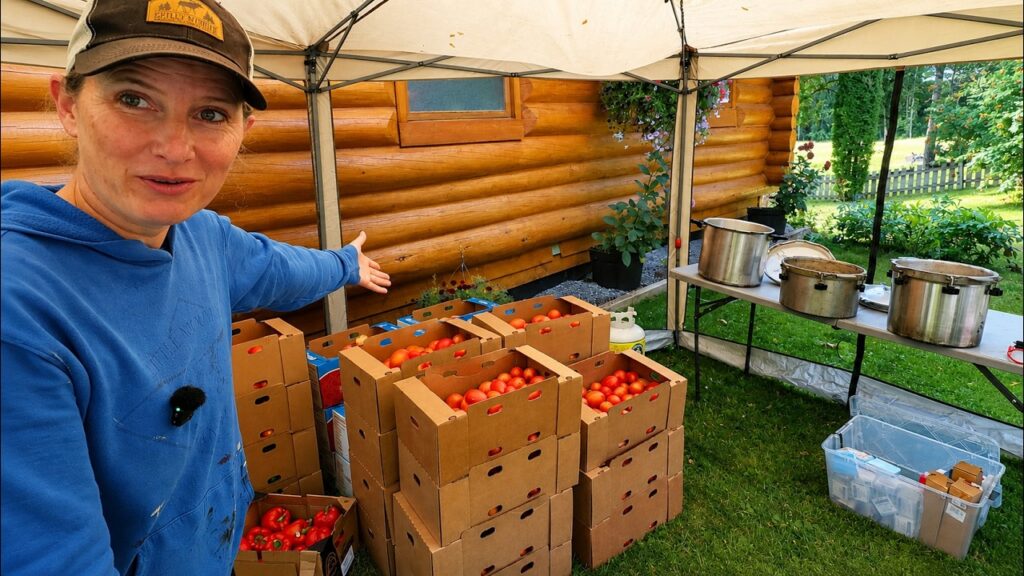
Most people think the hard part of a big canning day is the canning itself. After years of doing this on a large scale, including this past week when I set up an outdoor station to can 700 pounds of tomatoes and peaches, I can tell you it is actually the setup that determines how the whole day goes.
This week I walked the ranch one more time and made a list: things we got right, things we’d do differently, and what we’re bringing with us to the new 16-acre farm. Here’s the honest version.
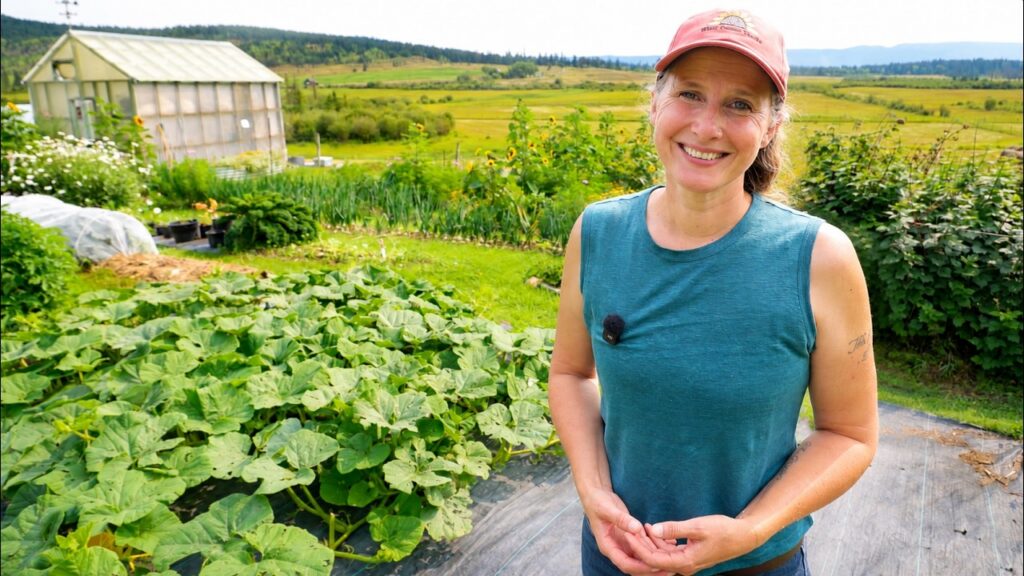
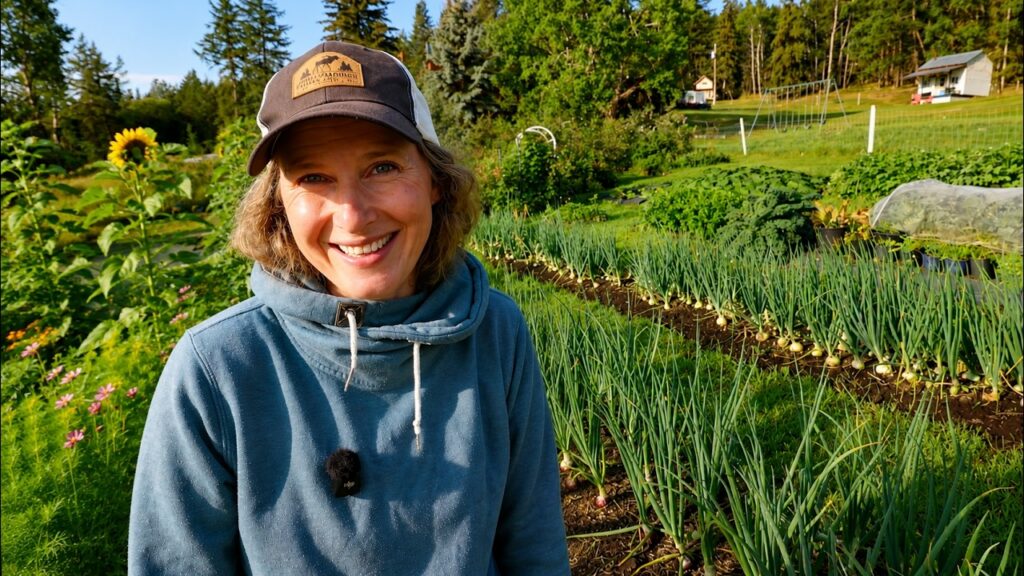
Nobody plans to move in the middle of harvest season.Strategic Planning And yet, here we are: three weeks out from our move date, and the garden is fuller than I anticipated. After 10 years on our 160-acre ranch in the central interior of BC, we’re relocating to a smaller 16-acre farm, and I need a plan for every single crop still growing out there.
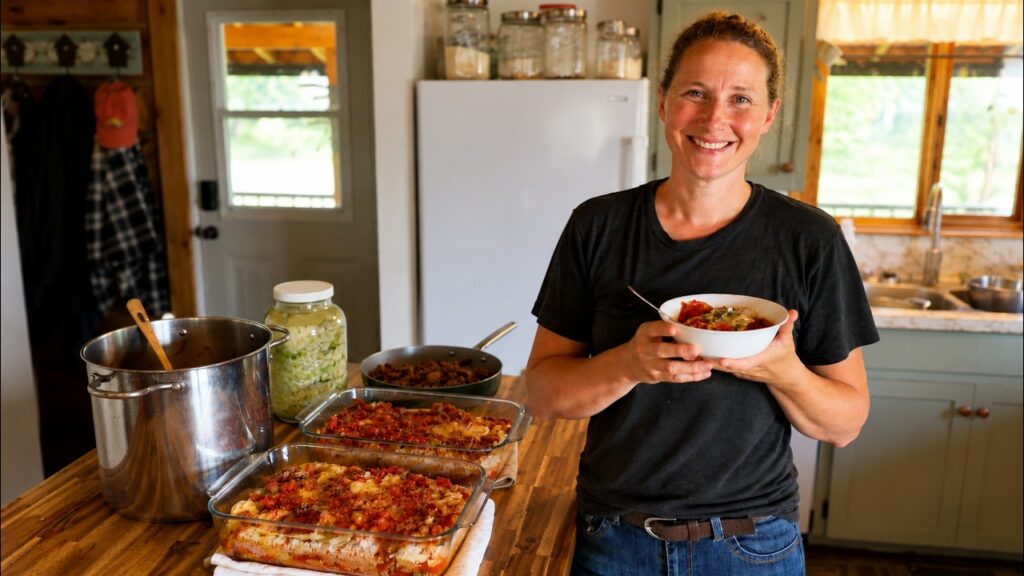
When life gets exceptionally busy, having a well-stocked freezer is one of the best ways to keep the household nourished without relying on store-bought convenience foods. Channeling extra energy into productive kitchen projects builds a reliable cushion for hectic weeks ahead. Today, we are harvesting fresh vegetables from the garden and converting them into hearty freezer meals and simple ferments.